Why Does Shell Art Look Different in the Light?
A closer look at the white belly, dark back and shifting sheen of a small shell whale.

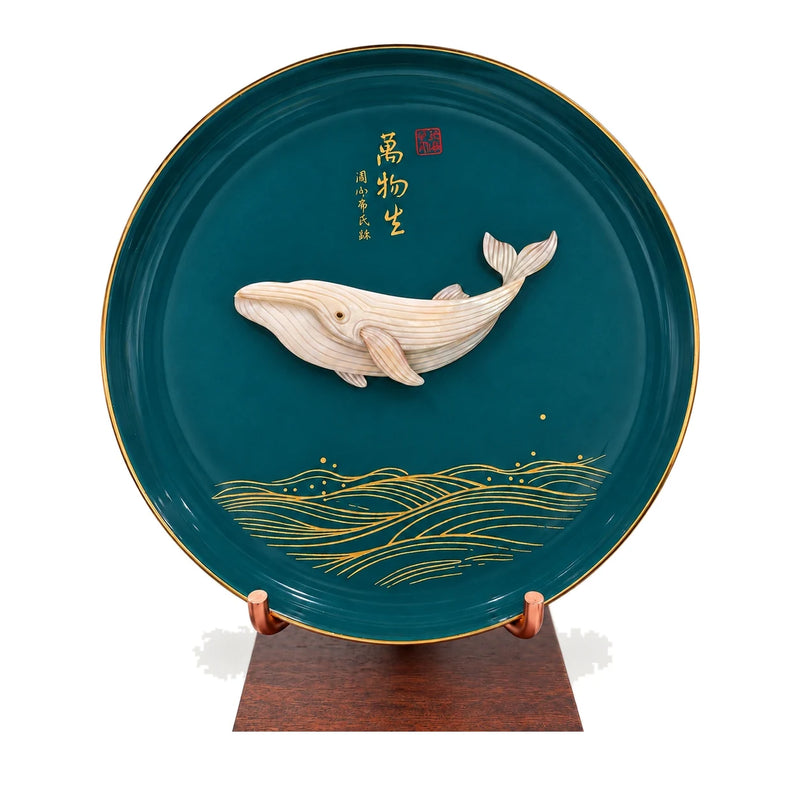
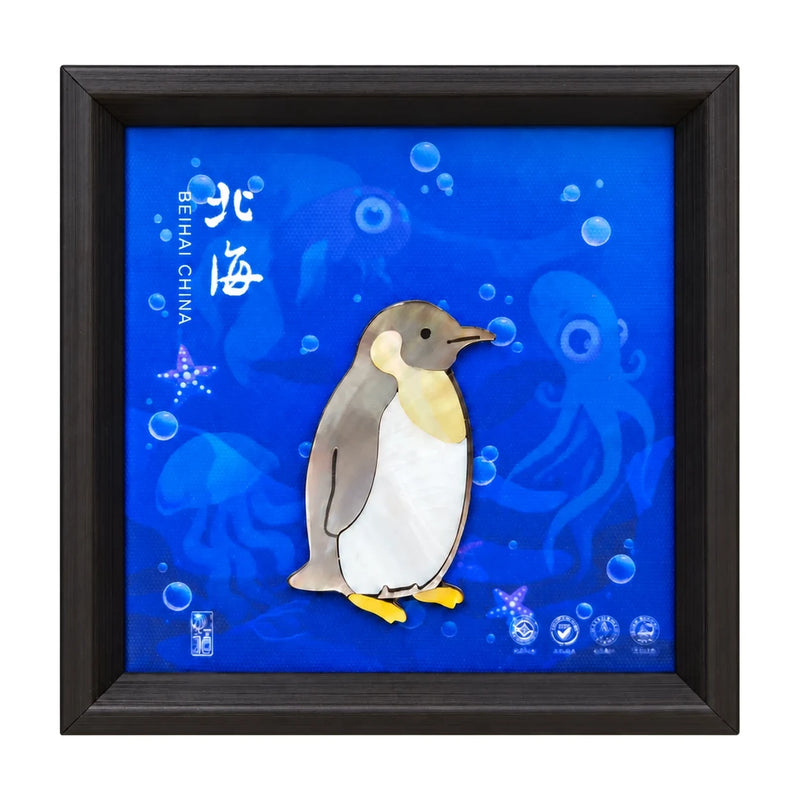
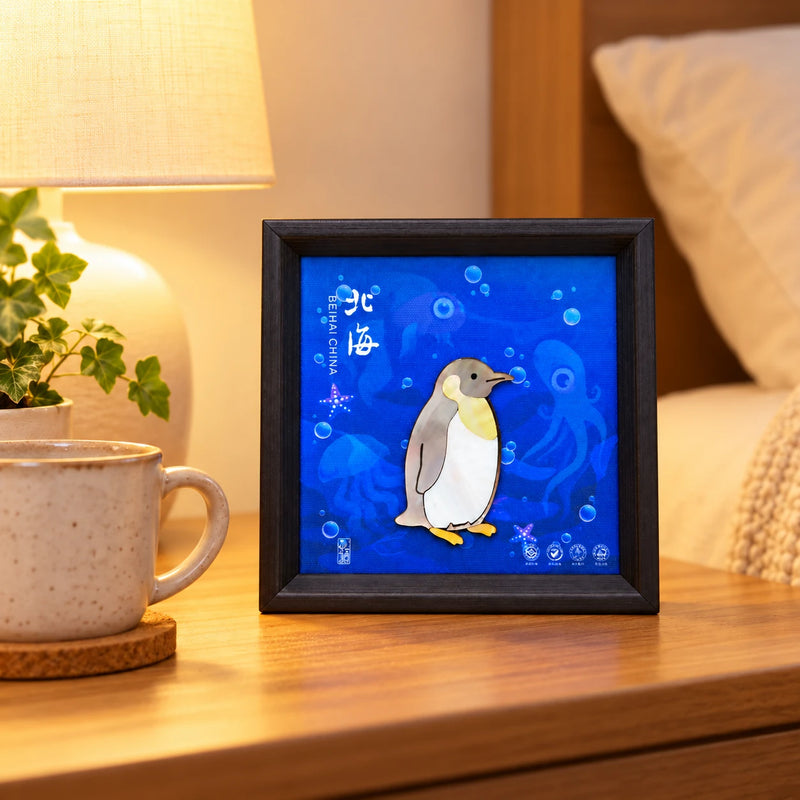
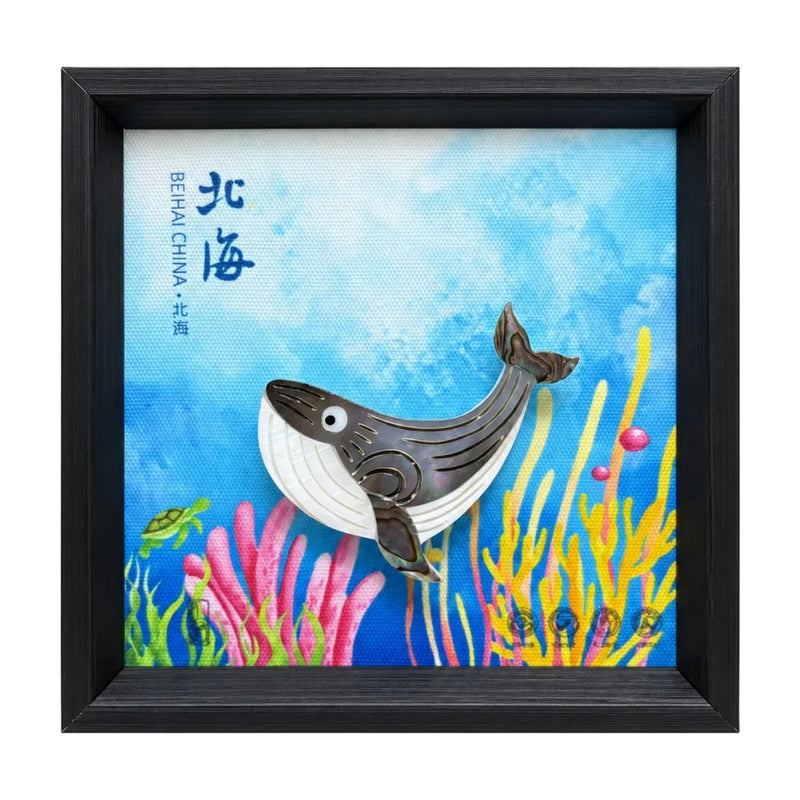
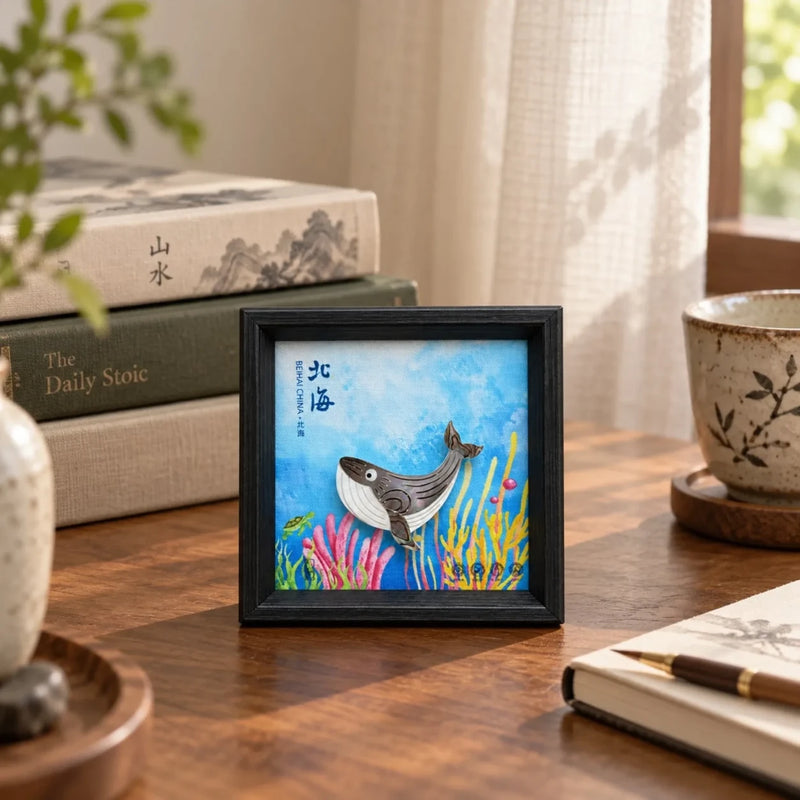
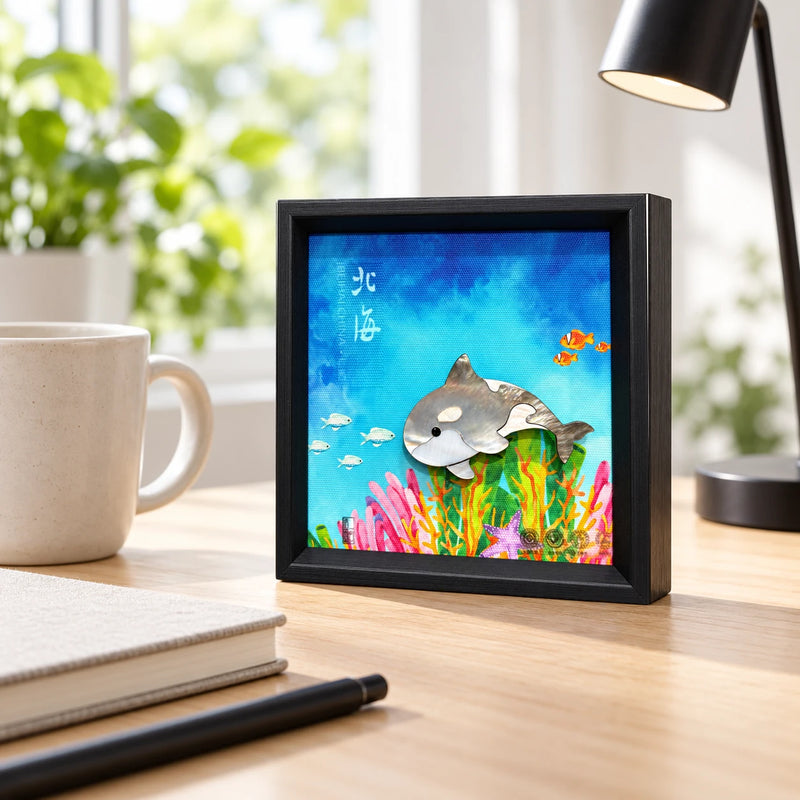
Look at the curve of this whale’s back. The dark surface catches a thin silver highlight along the carved grooves, while the pale belly has a broader, softer sheen. You can see both effects in a single photograph of our framed Ocean Voyager whale.
Look at the whale’s back and belly

Dark back. A narrow highlight runs along the grooves.

Pale belly. The reflection spreads across its ridges.
Why shell can seem to change color
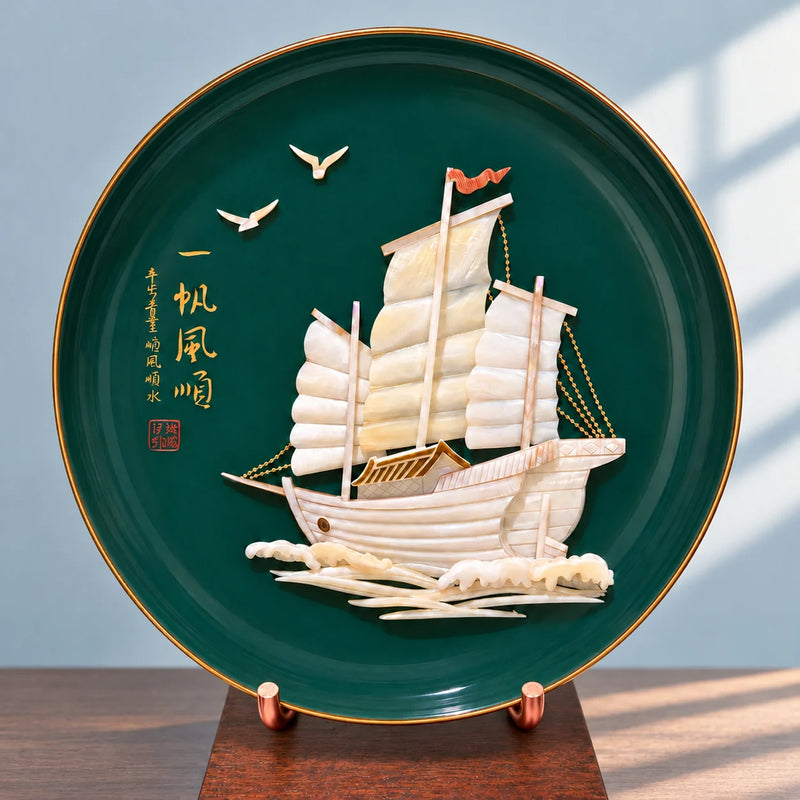
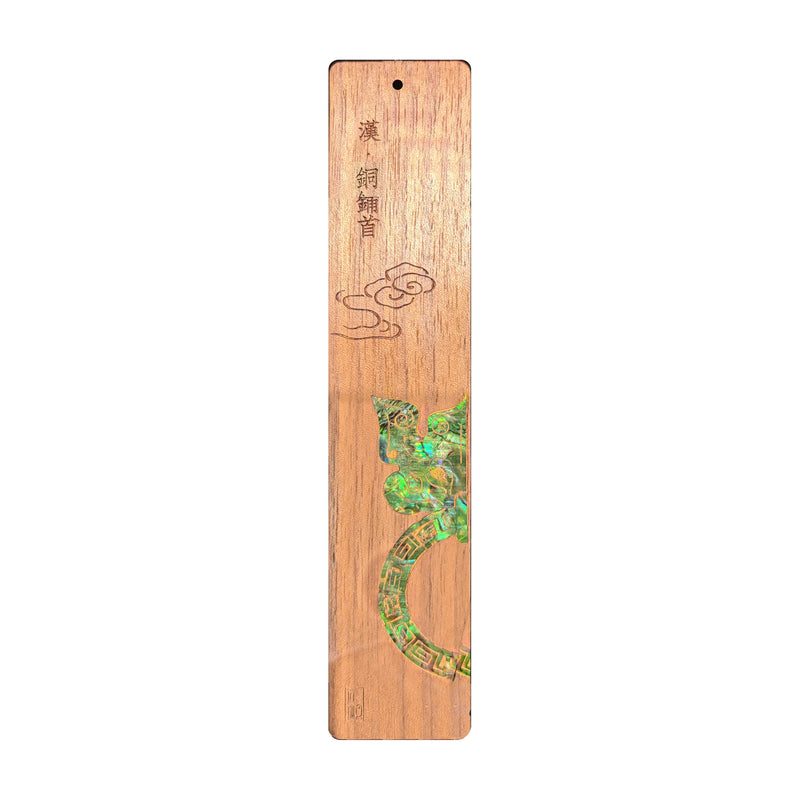
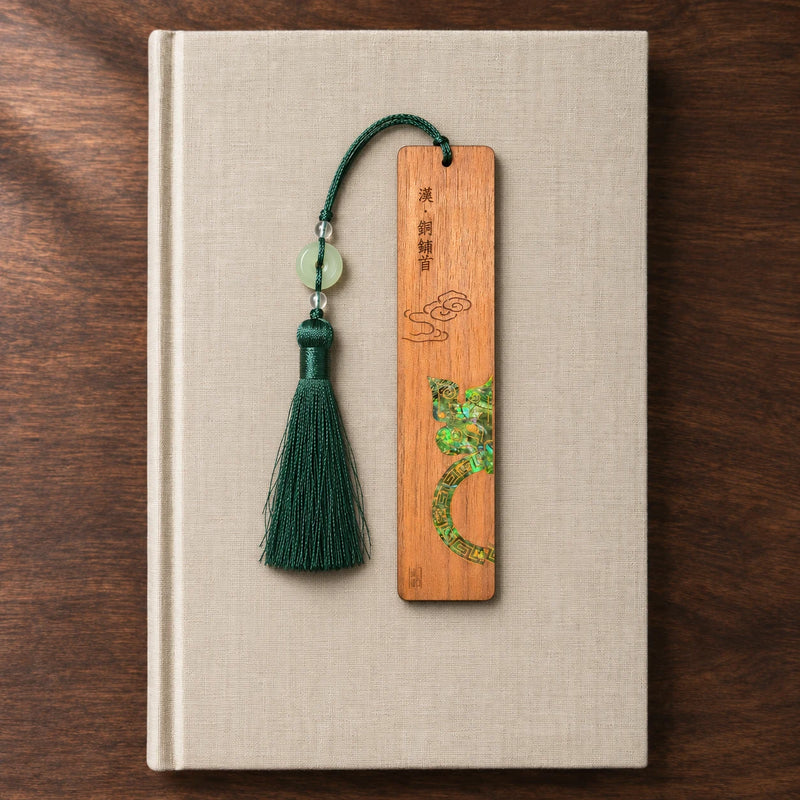
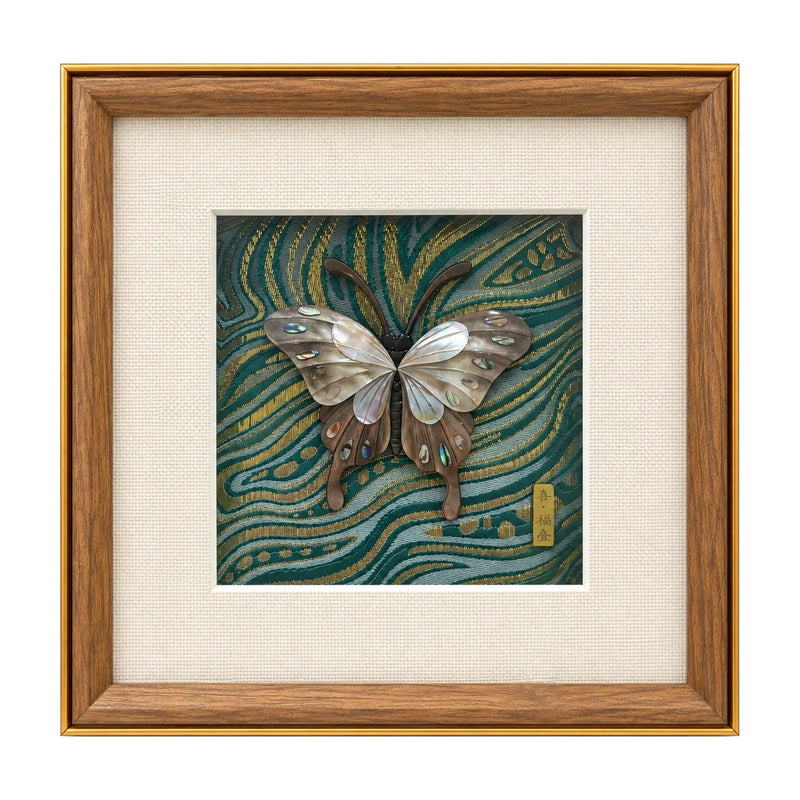
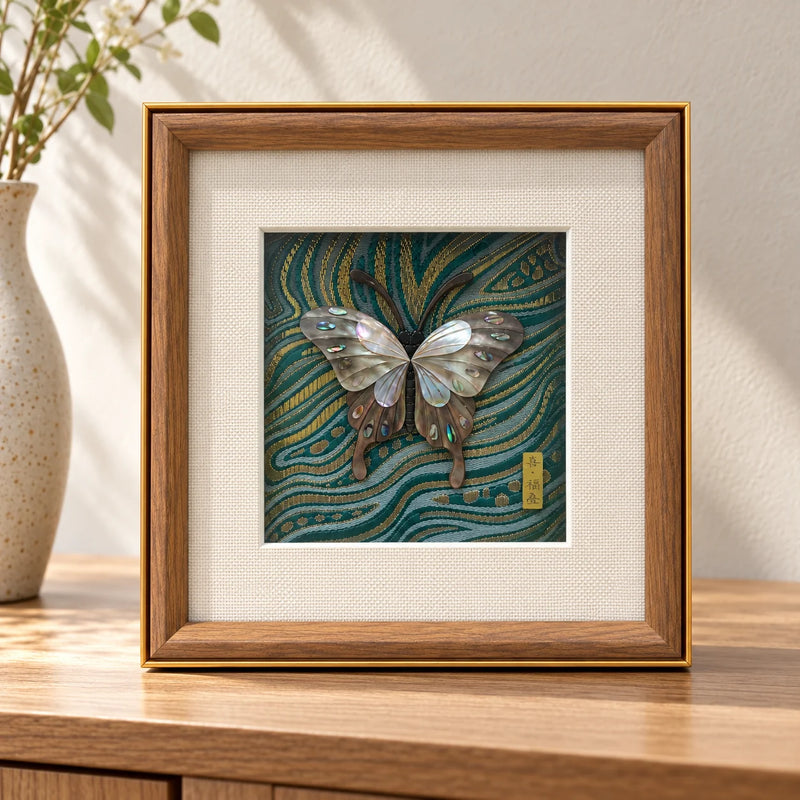
A change in angle can move a highlight across polished shell. On pearly shell, there can also be a shift in hue. That effect, called iridescence, comes from the way light reflects within the extremely thin layers of mother-of-pearl. The whale’s pale and dark areas already have different tones. Look for the sheen that moves over them.
Try it by a window
Set a shell piece on a stable surface where daylight comes in from one side. Look at it straight on, then step to one side and watch an edge or ridge. A photograph catches a single view. A small change in where you stand can bring out a detail you missed.
Further reading
Mother of Pearl · Western Australian Museum · MoBai Craft & care